Alexander disease: a very rare leukodystrophy for science, but very real for Sofiène and Lilas
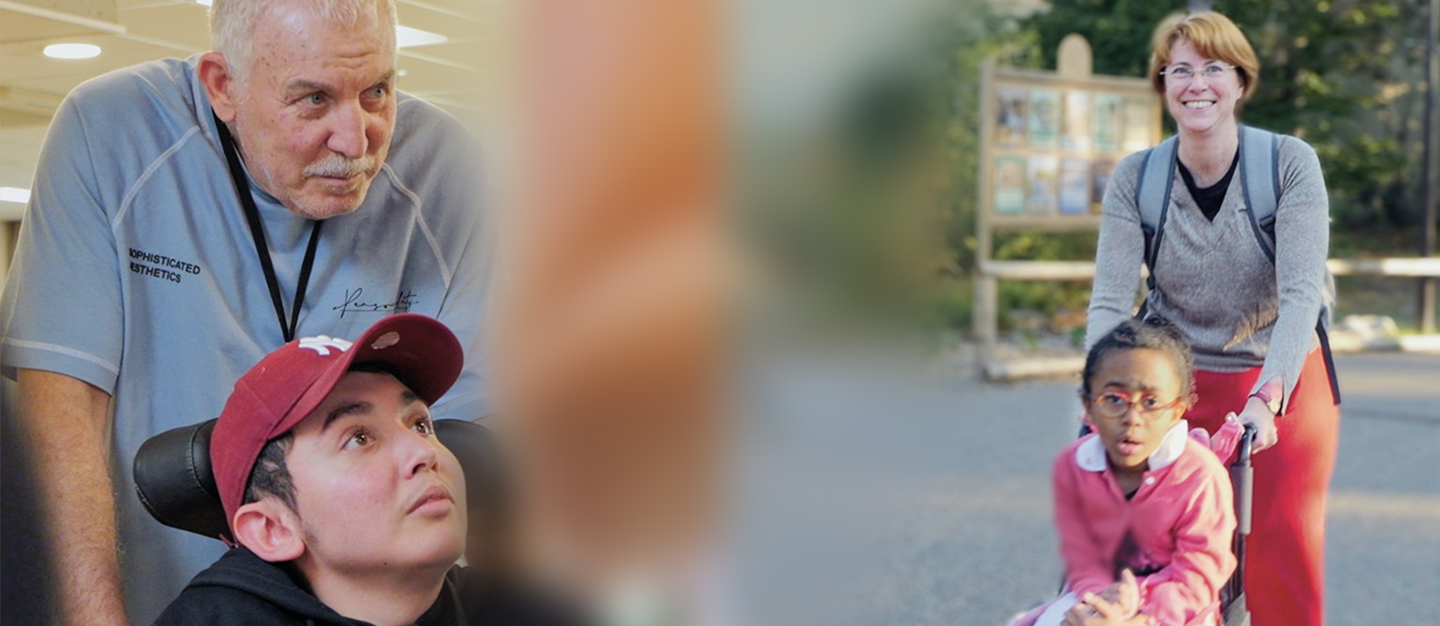
Like all children, Sofiène and Lilas wanted to dance and ride bikes. But like 1 in 1 million children, they had to give up their childhood dreams.
When Alexander disease strikes, it attacks the myelin, the protective sheath surrounding the nervous system. Symptoms can develop rapidly: mental retardation, epilepsy, motor impairment, and neurological disorders that appear overnight…
When this ultra-rare leukodystrophy affects a child, it also affects the whole family: daily care, administrative and financial difficulties. Very often, parents give up everything to care for their sick child.
Coralie, Lilas’s mother, shares her story: “At first, we attributed her slight motor delay to her premature birth. But things changed. A fall on her head, followed by a bout of COVID and flu, accelerated the process. We didn’t know how harmful a high fever could be with leukodystrophy. Lilas was no longer accepted in her municipal dance class as the disease progressed.
It was very hard to see her rejected like that. Our children need to live among others, we have to change the rules! Above all, we must not remain alone, and the ELA association is invaluable in this regard. It provides us with very practical support. We need help, not pity.”
ELA: essential and solid support for research
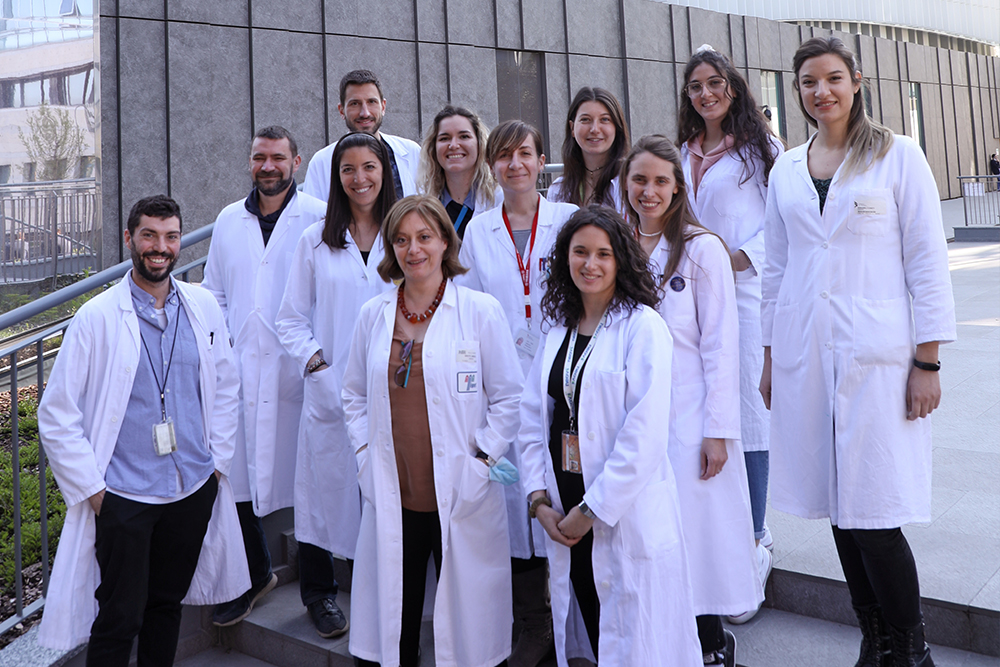
Since its creation, the ELA association has been doing everything possible to support children and their families, but also to combat the disease at its root by funding scientific projects that have been little explored by laboratories or institutions until now. The current research being conducted by Dr. Angela Gritti’s team is promising—although patience is still required. However, the gene therapy developed here could reduce the expression or directly correct the defective gene… Enough to envisage effective treatments within a few years.
To achieve this, we must continue to fight on two fronts: supporting families and funding research. This action is all the more important because it is exceptional: leukodystrophies are rare diseases, and Alexander disease is even rarer. Obtaining funding for projects such as those led by Angela Gritti is therefore particularly difficult.
No matter how much you donate, it will ultimately contribute to one thing: giving hope back to sick children.